Vanilla Fudge
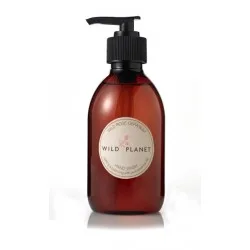
Wild Planet Wild Rose Geranium Hand Wash
Body250ml

Cleaner pick · Safest hands & feet we have rated
Round Lab
Birch Moisturizing Hand Cream+42 on ingredient safety
$8.50
Ingredient safetyRaters agree
Cleaner pick · Safest hands & feet we have rated
Round Lab
Birch Moisturizing Hand Cream+42 on ingredient safety
$8.50
Ranked by safety only. Greenlens earns from qualifying purchases. Payout never affects a rating, a ranking, or the cleaner pick.
Cleaner options
870 found
Raters split
Ingredient safety
A 60-point gap between the two loudest voices.
All 870 cleaner options, safest first We show the best 12, including the strongest on each axis.
Independent — not funded by the brands it rates. Auto-linked to this product, not yet human-reviewed. Checked this week. about this rater →
Independent — not funded by the brands it rates. Auto-linked to this product, not yet human-reviewed. Checked this week. about this rater →
A government authority. Auto-linked to this product, not yet human-reviewed. Checked this week. about this rater →
A government authority. Auto-linked to this product, not yet human-reviewed. Checked this week. about this rater →
Independent — not funded by the brands it rates. Auto-linked to this product, not yet human-reviewed. Checked this week. about this rater →
Also screened, nothing found: California Proposition 65 · IARC Monographs · ECHA SVHC Candidate List · US NTP Report on Carcinogens · Health Canada Ingredient Hotlist
Also screened, nothing found: EU Microplastics Restriction
Coverage & match quality
5 ratings · 1 of 4 axes
Tune your weights
composite recomputes live
+No rater covers this axis for this product, so its weight can't move the score.
No rater covers this axis for this product, so its weight can't move the score.
No rater covers this axis for this product, so its weight can't move the score.
Data availability
Robust18 of 18 characterized
Our sources have reference data on all 18 listed ingredients.
Worth a look (8)
No flags in our sources (10)
These describe what an ingredient is, not whether it is a problem. The stance marks above are the ratings; these are not.
fragrance materialBenzyl Alcohol, Citronellol, Geraniol, Linalool, Citral, Farnesol, Limonene
ANSES endocrine candidateflagged by 3 of 9 lists →
ANSES endocrine candidateflagged by 3 of 9 lists →
EU harmonised skin sensitizerflagged by 2 of 9 lists →
ANSES endocrine candidateflagged by 2 of 9 lists →
EU harmonised skin sensitizerflagged by 2 of 9 lists →
EU harmonised skin sensitizerflagged by 2 of 9 lists →
EU-regulated fragrance allergenflagged by 1 of 9 lists →
EU-regulated fragrance allergenflagged by 1 of 9 lists →
humectantGlycerin