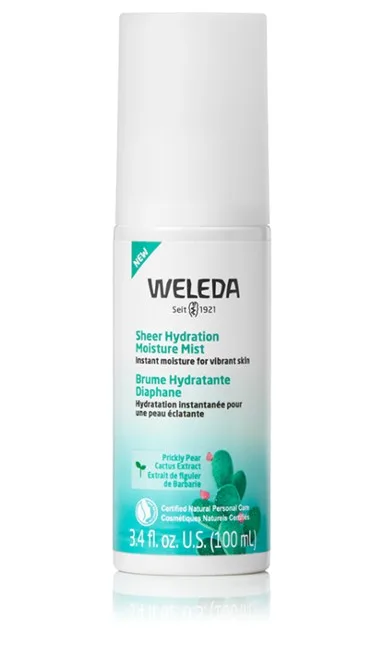
Weleda
Sheer Hydration, Prickly Pear Cactus Extract Moisture Mist
2020 formulationBody Spray
Cleaner pick · Safest body mists we have rated
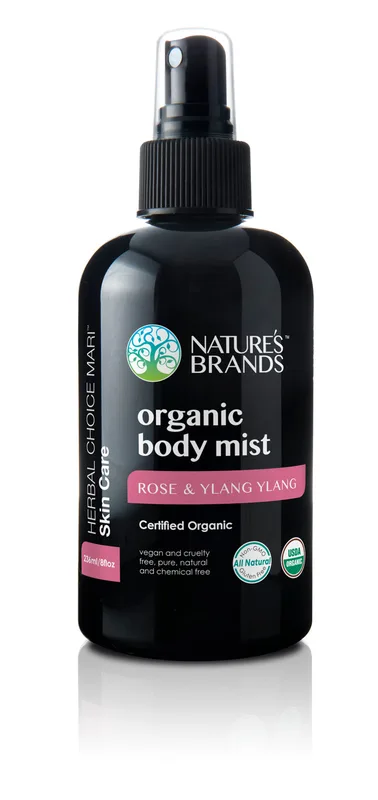
Nature's Brands
Organic Body Mist, Rose & Ylang Ylang+58 on ingredient safety
Ingredient safetyRaters agree
Cleaner pick · Safest body mists we have rated
Nature's Brands
Organic Body Mist, Rose & Ylang Ylang+58 on ingredient safety
Ranked by safety only. Greenlens earns from qualifying purchases. Payout never affects a rating, a ranking, or the cleaner pick.
Cleaner options
738 found
Raters split
Ingredient safety
A 80-point gap between the two loudest voices.
All 738 cleaner options, safest first We show the best 12, including the strongest on each axis.
Independent — not funded by the brands it rates. Auto-linked to this product, not yet human-reviewed. Checked this week. about this rater →
A government authority. Auto-linked to this product, not yet human-reviewed. Checked this week. about this rater →
A government authority. Auto-linked to this product, not yet human-reviewed. Checked this week. about this rater →
Independent — not funded by the brands it rates. Auto-linked to this product, not yet human-reviewed. Checked this week. about this rater →
A government authority. Auto-linked to this product, not yet human-reviewed. Checked this week. about this rater →
Independent — not funded by the brands it rates. Auto-linked to this product, not yet human-reviewed. Checked this week. about this rater →
A government authority. Auto-linked to this product, not yet human-reviewed. Checked this week. about this rater →
Also screened, nothing found: ECHA SVHC Candidate List · California Proposition 65 · US NTP Report on Carcinogens
Also screened, nothing found: EU Microplastics Restriction
Run by a nonprofit. Auto-linked to this product, not yet human-reviewed. This rates Weleda as a company and applies to everything they make, not this product alone. Checked this week. about this rater →
Coverage & match quality
8 ratings · 2 of 4 axes
Tune your weights
composite recomputes live
+No rater covers this axis for this product, so its weight can't move the score.
No rater covers this axis for this product, so its weight can't move the score.
Data availability
Robust18 of 18 characterized
Our sources have reference data on all 18 listed ingredients.
Worth a look (9)
No flags in our sources (9)
These describe what an ingredient is, not whether it is a problem. The stance marks above are the ratings; these are not.
commonly dryingALCOHOL
fragrance materialLIMONENE, LINALOOL, CITRONELLOL, GERANIOL, CITRAL
ANSES endocrine candidateflagged by 3 of 9 lists →
ANSES endocrine candidateflagged by 3 of 9 lists →
ANSES endocrine candidateflagged by 1 of 9 lists →
Undisclosed fragrance blendflagged by 2 of 9 lists →
EU harmonised skin sensitizerflagged by 2 of 9 lists →
ANSES endocrine candidateflagged by 2 of 9 lists →
EU harmonised skin sensitizerflagged by 2 of 9 lists →
IARC possible carcinogen (Group 2B)flagged by 1 of 9 lists →
Health Canada Hotlist — restrictedflagged by 1 of 9 lists →
undeclared fragrance blendFRAGRANCE
humectantGLYCERIN